When you walk into a casino or open a gaming app, you face a basic choice between table games and slots. Both options offer different ways to play and win. The decision comes down to what matches your preferences.
Table games require more active participation and strategy, while slots provide quick, simple gameplay that relies mainly on luck. Neither option is better than the other. They just appeal to different types of players.
Your playing style determines which game type will give you the most enjoyment. Some players want to make decisions that affect their results. Others prefer to relax and let the game run itself. This guide will help you understand how each option works and which one fits your personal approach to gaming.
Understanding Table Games and Slots
Table games involve playing against a dealer or other players with cards, dice, or wheels, while slots are solo machines where you spin reels hoping for winning combinations. The two types of games differ in pace, social interaction, skill requirements, and how much control you have over the outcome.
What Are Table Games?
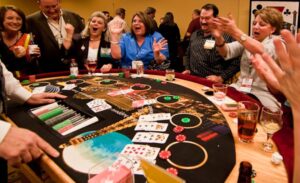
Table games are casino games played at physical or virtual tables with a dealer. You compete against the house or other players using cards, dice, or a spinning wheel.
Popular table games include blackjack, roulette, craps, baccarat, and poker. Each game has specific rules and betting options. Some require you to make decisions that affect the outcome, while others depend entirely on chance.
In blackjack, you decide whether to hit, stand, double down, or split based on your cards and the dealer’s visible card. At a roulette table, you place bets on numbers, colors, or sections of the wheel before the dealer spins.
Table games typically have multiple betting options and side bets. You can often adjust your strategy based on what happens during play. These games usually move at a moderate pace, giving you time to think between rounds.
What Are Slot Machines?
Slot machines are electronic or digital games where you spin reels containing various symbols. When you press the spin button, a random number generator determines where the reels stop and whether you win.
Modern slots come in many themes and formats. Classic slots have three reels and simple symbols like fruits and sevens. Video slots feature five or more reels with bonus rounds, free spins, and special symbols like wilds and scatters.
You only need to choose your bet amount and press spin. The game handles everything else automatically. There are no decisions to make during the spin that change your odds of winning.
Slots operate faster than table games. You can complete dozens of spins per minute if you want. The house edge is built into the game’s programming and stays the same regardless of how you play.
Key Differences Between Table Games and Slots
The main differences between these game types affect your entire casino experience:
Skill vs. Chance: Table games like blackjack let you use strategy to improve your odds. Slots rely completely on random outcomes with no skill involved.
Social Interaction: Table games put you at a table with a dealer and often other players. Slots are solitary experiences even when other people play nearby.
Pace of Play: Slots run as fast as you can press the button. Table games move slower because of dealing, betting rounds, and other players.
Betting Flexibility: Table games offer multiple bet types and amounts during a single round. Slots require you to set your total bet before each spin.
Complexity: You need to learn rules and sometimes strategy for table games. Slots require no prior knowledge or practice.

Comparing Gameplay Experience
Slots and table games create entirely different experiences at the casino. The way you interact with each game type affects everything from how fast you play to whether you talk with other players.
Skill Versus Chance
Table games let you make decisions that change your odds of winning. In blackjack, you choose whether to hit or stand based on your cards and the dealer’s hand. Poker requires you to read other players and decide when to fold or raise. These choices matter and can lower the house edge when you play correctly.
Slots work differently. You press a button and wait for the random number generator to decide the outcome. Your decisions are limited to picking your bet size and which slot machine to play. Once the reels spin, you have no control over what happens next.
This difference matters if you enjoy thinking through decisions versus preferring a more relaxed experience. Table games reward players who learn basic strategy and pay attention. Slots give the same odds to everyone regardless of experience level.
Game Pace and Player Interaction
Slots move at your own speed. You can spin as fast or slow as you want without anyone waiting on you. Most players complete 400 to 600 spins per hour when playing at a normal pace. You control when to start each round and can take breaks whenever needed.
Table games follow a group rhythm. The dealer sets the pace, and other players at the table affect how quickly hands resolve. A full blackjack table might play 60 hands per hour, while heads-up against the dealer reaches 200 hands per hour. You need to make decisions within a reasonable time so others aren’t waiting.
Variety and Thematic Options
Modern slots offer thousands of different themes and features. You can find games based on ancient Egypt, popular movies, fantasy worlds, or classic fruit symbols. Each slot has unique bonus rounds, special symbols, and ways to win. Developers release new titles constantly with different graphics and mechanics.
Table games have fewer variations but deeper gameplay. Blackjack, roulette, craps, baccarat, and poker each have a handful of rule variants. The core game stays the same whether you play today or ten years from now. This consistency helps you master the game and develop real skill over time.
Social Atmosphere
Table games create natural social settings. You sit with other players working against the house or competing directly in poker. Players celebrate together when the table is winning and share frustration during cold streaks. The dealer talks with players and explains rules when needed.
Slots are solitary by design. You face your own machine without needing to interact with anyone nearby. Some players prefer this privacy and the ability to focus on their own game. Slot areas tend to be quieter except for the sounds of the machines themselves.
Choosing Based on Playing Style
Your playing style determines which casino games will give you the most satisfaction. Strategy lovers need different features than casual players, and your comfort with risk shapes which games match your preferences.
Best Fit for Strategy-Minded Players
Table games offer you the best experience if you enjoy using your mind to improve your outcomes. Games like blackjack let you reduce the house edge to less than 1% when you use basic strategy correctly. You make decisions on every hand that directly affect your results.
Poker gives you even more control through reading opponents and managing your position at the table. Video poker combines elements of both worlds by letting you apply strategy to a machine-based game. You can study optimal play charts and see your skill reflected in better returns.
Slots provide almost no opportunity for strategic play. You simply press a button and wait for random results. The outcome is determined the moment you spin, with no choices that change your odds.
Preferred Options for Casual Gamers
Slots work better for you if you want simple entertainment without learning rules or making complex decisions. You can start playing immediately without studying strategy guides or memorizing hand rankings.
Modern slots offer hundreds of themes, from ancient Egypt to popular movies. You pick a bet size and spin, making them perfect for short gaming sessions or relaxing play. Many slots include bonus rounds and mini-games that add variety without requiring skill.
Table games need you to learn basic rules before you can play comfortably. You might feel pressure from other players or dealers if you play too slowly while learning. Some casual players enjoy simpler table games like roulette, where you just pick numbers or colors.
Risk Levels and Betting Patterns
Table games typically offer lower minimum bets and more control over your risk per round. You can bet $5 or $10 per hand at most blackjack tables and adjust your wager based on your comfort level. Your bankroll lasts longer because you know exactly what each bet costs.
Slots let you bet from pennies to hundreds per spin, but the costs add up quickly. A slot advertising “1¢ bets” often requires you to play multiple lines, turning each spin into $1 or more. You can burn through your budget faster than you realize.
Your risk tolerance also depends on volatility preferences. High-volatility slots give you bigger potential wins but longer losing streaks. Table games provide steadier, more predictable results that suit players who want consistent action.
Additional Factors to Consider
Beyond gameplay style and strategy, several practical factors affect your casino experience. Payout rates vary significantly between game types, availability differs across platforms, and casinos structure their rewards programs differently for slots versus tables.
Payout Structures and Odds
Slots typically have higher house edges than table games, ranging from 2% to 15% depending on the machine. Most slot games return 85% to 98% of wagered money over time. Table games offer better odds if you play correctly. Blackjack can have a house edge below 1% with basic strategy.
The payout structure differs between the two options. Slots offer fixed paylines and preset prize amounts, with occasional massive jackpots that can reach millions. You’ll see frequent small wins mixed with long losing streaks. Table games provide more consistent returns based on odds and betting choices.
Progressive slots link multiple machines to create larger jackpots but lower your overall return percentage. Table games don’t usually offer progressive prizes, but your skill directly impacts your winning chances. Roulette gives you a 2.7% house edge on European wheels, while craps offers bets as low as 1.4% house advantage.
Accessibility Online and in Casinos
Physical casinos dedicate more floor space to slots than table games because they require less staffing. You’ll find hundreds of slot machines but only dozens of table game stations. Tables also have minimum bets that can exclude budget players during peak hours.
Online casinos eliminate these space constraints. You can access thousands of slot titles and dozens of table game variations instantly. Live dealer games bring the table experience to your device with real dealers streaming in real time.
Mobile access favors slots because they work perfectly on small screens with simple tap controls. Table games require more screen space to display cards, chips, and betting areas clearly. Some table games adapt better to mobile than others, with blackjack working easier than craps.
Promotions and Loyalty Rewards
Casinos structure bonuses differently for each game type. Slot bonuses typically include free spins and match deposits with lower wagering requirements. Table games often have restricted bonus use or count less toward playthrough conditions.
Your comp points accumulate faster on slots. Casinos award one point per dollar on slots but only 10-20% of that rate on table games. This happens because slots have higher house edges that protect casino profits.
Bonus wagering contributions:
- Slots: 100% of bets count
- Blackjack: 10-25% of bets count
- Roulette: 0-50% depending on bet type
- Craps and baccarat: Often excluded entirely
Loyalty programs favor high-volume slot players with tier upgrades and special promotions. Table game players need larger bets to reach equivalent reward levels.